


-

Add: HeBei ShengShi HongBang Cellulose Technology CO.,LTD.
-

Email
13180486930@163.com -

CONTACT US
+86 13180486930




Hydroxypropyl Methylcellulose, commonly referred to as HPMC, is a multi-faceted cellulose-based polymer that’s extensively utilized across a multitude of industries. When speaking specifically about HPMC K4M, it references a grade of HPMC that appears prominently in several sectors, notably pharmaceuticals, food, construction, and cosmetics. The “K4M” designation speaks to the viscosity measurement—it is an integral feature that defines its application capabilities and functional advantages. Within pharmaceuticals, HPMC K4M stands as a pillar due to its controlled release capabilities, making it indispensable in formulating sustained-release drugs. As a viscosity agent, it retards the dissolution rate of drugs, offering a way to manage dosage releases over extended periods. Experience within this realm underscores its stability and efficiency. Researchers and formulators appreciate HPMC K4M's ability to maintain stable drug release profiles, even under extreme environmental conditions, thus qualifying it as a reliable excipient. Its inherent degree of consistency in pharmaceutical applications ensures patients benefit from trusted medication performance, marrying both expertise and trustworthiness in pharmaceutical engineering. In the construction industry, HPMC K4M serves as an essential additive for tile adhesives and plaster. Its expertise is demonstrated through its abilities as a thickening agent; it imparts crucial water retention and workability to cement mixes. Construction professionals frequently cite HPMC K4M's influence on consistency during application, ensuring even distribution of materials with reduced risk of cracking or shrinkage. This attribute reflects the authoritativeness of HPMC K4M in construction, triangulated by decades of field application that underline how fundamental it is for creating robust, durable surfaces. The food industry leverages HPMC K4M for its stabilizing and emulsifying properties . It offers culinary solutions, particularly in maintaining the integrity of sauces, dressings, and toppings. As a food additive, it provides a sense of trust for manufacturers aiming to achieve specific textures or moisture levels without compromising on quality or safety. Expertise in food science continually validates HPMC K4M due to its non-toxic, non-allergenic nature, effectively demonstrating its aptitude in satisfying industry standards related to consumer health and safety. hpmc k4m full form In cosmetology, HPMC K4M's role as a thickening, emulsifying, and stabilizing agent cannot be overemphasized. Cosmetic formulations reliant on moisturizing solutions frequently include HPMC K4M for its consistent performance in product stability and texture, enhancing user experience. This agent's inclusion transforms ordinary skincare items into luxurious applications with consistent texture and spreadability, fostering consumer trust through reliable product performance. Thus, with an established reputation throughout various industries, HPMC K4M's contributions are multi-dimensional—ranging from the pharmaceutical sector's demand for precision and control to construction's need for material stability, the culinary arts' quest for consistent quality, and the cosmetic industry's innovation for texture and feel. It is precisely its adaptability and proven reliability that affirm HPMC K4M's position as a product derived from decades of expertise and experience. The momentous role of HPMC K4M as an industry staple underscores not just its versatility, but also its foundational reliability meticulously crafted through precise scientific engineering and comprehensive application studies. Informed stakeholders consistently rely on this particular grade of HPMC, evidenced by its longstanding integration into myriad applications where tensile reliability and performance trust are not merely advantageous, but essential. In crafting solutions where longevity, efficiency, and safety intersect, HPMC K4M emerges as a pivotal component deservedly respected across sectors. Each instance of its application points toward an undeniable synergy between innovative material science and practical industry demands, cementing its perpetuity as both a modern marvel and a future-oriented choice in material augmentation.
- 40000tons

Production
- 20+years

Experience
- 5000+㎡

Acreage

-
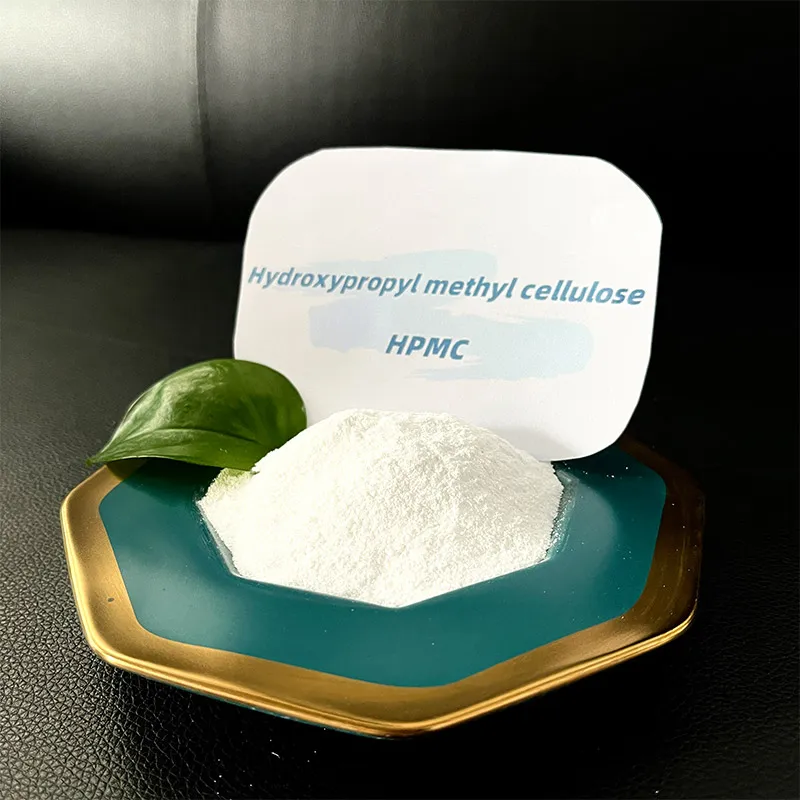
Hydroxypropyl methylcellulose (HPMC) is a versatile, eco-friendly ingredient . This cellulose derivative is known for its exceptional performance in construction. Its unique properties, such as water retention, adhesion, and thickening ability, make it an essential component for improving the quality and durability of products. Whether you're working on building materials, tile adhesives, or wall coatings, hydroxypropyl methylcellulose can elevate the performance and efficiency of your materials. Discover the many benefits of hydroxypropyl methylcellulose and see how it can enhance your business operations. Hydroxypropyl Methylcellulose Uses in Construction In the construction industry, hydroxypropyl methylcellulose uses are critical to improving the quality and performance of building materials. HPMC is widely used in cement-based products such as tile adhesives, plaster, and grout due to its excellent water retention, enhanced workability, and extended open time. By incorporating hydroxypropyl methylcellulose into your construction materials, you can improve adhesion, reduce cracking, and increase the durability of your products. Hydroxypropyl methylcellulose uses in construction also include its role as a binder and thickener in paints and coatings, where it helps create a smooth, consistent finish. Enhance your construction projects with the superior properties of hydroxypropyl methylcellulose . Find the Best Hydroxypropyl Methylcellulose Price for Your Budget When looking for hydroxypropyl methylcellulose price , it’s important to find a supplier that offers high-quality products at competitive rates. The hydroxypropyl methylcellulose price can vary depending on the grade, quantity, and application, but you can trust us to provide transparent pricing that fits your budget. Our prices reflect the quality and reliability of the material, ensuring that you get the best value for your investment. Whether you need small quantities or large volumes, we offer affordable solutions without compromising on quality. Contact us today to learn more about our hydroxypropyl methylcellulose price and how we can support your projects. Reliable Hydroxypropyl Methylcellulose Suppliers for Your Needs Finding trustworthy hydroxypropyl methylcellulose suppliers is crucial for ensuring the success of your projects. As one of the leading hydroxypropyl methylcellulose suppliers , we provide a wide range of high-quality HPMC products designed to meet the diverse needs of various industries. Our hydroxypropyl methylcellulose is sourced from reputable manufacturers and undergoes rigorous quality control to ensure consistency and performance. Whether you're in construction, pharmaceuticals, or another industry, we are your go-to partner for reliable, top-grade HPMC. With our fast delivery, competitive pricing, and expert customer service, we make sourcing hydroxypropyl methylcellulose easy and hassle-free. Why Choose Us for Your Hydroxypropyl Methylcellulose Needs? When it comes to hydroxypropyl methylcellulose , you need a supplier you can trust. We are committed to providing the highest quality HPMC products at the best hydroxypropyl methylcellulose price . Our expertise in the field ensures that we meet the specific requirements of our customerss. As leading hydroxypropyl methylcellulose suppliers , we offer a wide range of grades to suit your needs, backed by excellent customer support and fast, reliable shipping. Choose us for all your hydroxypropyl methylcellulose requirements and experience the difference in quality, price, and service.
-

Exploring the Intricacies and Applications of HPMC Coating HPMC, or Hydroxypropyl Methylcellulose, coatings have emerged as a pivotal component in various industries, primarily in pharmaceuticals and food sectors. These coatings are not merely a protective layer but serve multifaceted roles that enhance product quality and consumer safety. Hydroxypropyl Methylcellulose is a semi-synthetic polymer derived from cellulose, the most abundant organic polymer on Earth. Its non-ionic, water-soluble properties make it an ideal candidate for coating applications. In pharmaceuticals , HPMC coatings play a crucial role in tablet and capsule formation. They not only provide a polished finish to the pharmaceutical products but also offer functionalities like controlled drug release, taste masking, and moisture protection. For instance, with controlled release formulations, HPMC coatings ensure that the drug is released at a predetermined rate and time, significantly enhancing therapeutic efficacy and patient compliance. In the food industry, HPMC is used extensively to improve the stability and shelf life of products. It forms an efficient barrier against oil and moisture loss, maintaining product freshness and texture. An example is its application in bread, where it acts as an anti-staling agent, ensuring prolonged softness and freshness. Coupled with its non-toxic and hypoallergenic qualities, HPMC is recognized as safe for human consumption by international regulatory bodies, which bolsters its credibility. hpmc coating The rise in vegetarianism and veganism has further propelled the demand for HPMC coatings, especially in pharmaceuticals. Traditional gelatin capsules, derived from animal by-products, are increasingly being replaced by HPMC-based capsules, which align with plant-based dietary preferences. This transition is supported by studies showing HPMC capsules have comparable disintegration and dissolution properties to their gelatin counterparts, assuring consistent drug delivery and absorption. Experts in material sciences highlight the adaptability of HPMC coatings as a notable advantage. By tweaking the degree of substitution and the molecular weight of HPMC, manufacturers can customize the viscosity and film-forming properties to meet specific product requirements. This flexibility not only enhances product development processes but also aids in scaling manufacturing operations by allowing precise control over the coating formulation. However, with the integration of HPMC coatings in product development, there are challenges that need to be addressed. These include ensuring the uniformity of the coating layer, which is critical for product performance, and managing the cost implications of high-quality HPMC, which can be a limiting factor for smaller enterprises. Industry leaders stress the importance of investing in advanced coating technologies and quality control systems to overcome these hurdles and maximize the benefits of HPMC applications. In conclusion, the evolving landscape of consumer preferences and technological advancements positions HPMC coatings as a transformative solution in various sectors. Their unrivaled functionality, combined with their adaptability, makes them an indispensable tool in enhancing product performance and market competitiveness. As manufacturers continue to innovate and refine HPMC formulations, the future of coating technologies promises to be both exciting and impactful, underscoring a commitment to quality and consumer satisfaction.
advantages
-

200000 Viscosities
Excellent product
We can produce pure products up to 200,000 viscosities
-

40000 tons
High yield
We don’t stop production all year round, and the annual output can reach 40,000 tons
-

24 hours
Quality service
We provide 24-hours online reception service, welcome to consult at any time
———— Inquiry Form
Schedule A services
-
 produsen_pati_eter
Oct . 25, 2025
Hydroxypropyl methylcellulose (HPMC) is a versatile compound commonly used in various industries, ra -
 hydroxypropyl_methylcellulose_solution
Oct . 25, 2025
Next-Generation Wood Cellulose & Xylem Fiber: Technology, Industry Trends and Applications HeBei She -
 hydroxypropyl_methylcellulose_suppliers
Oct . 25, 2025
Hydroxypropyl methylcellulose (HPMC) is an intriguing compound that has carved its niche in the prod


